How to Choose the Right Gecko for Your Lifestyle
 
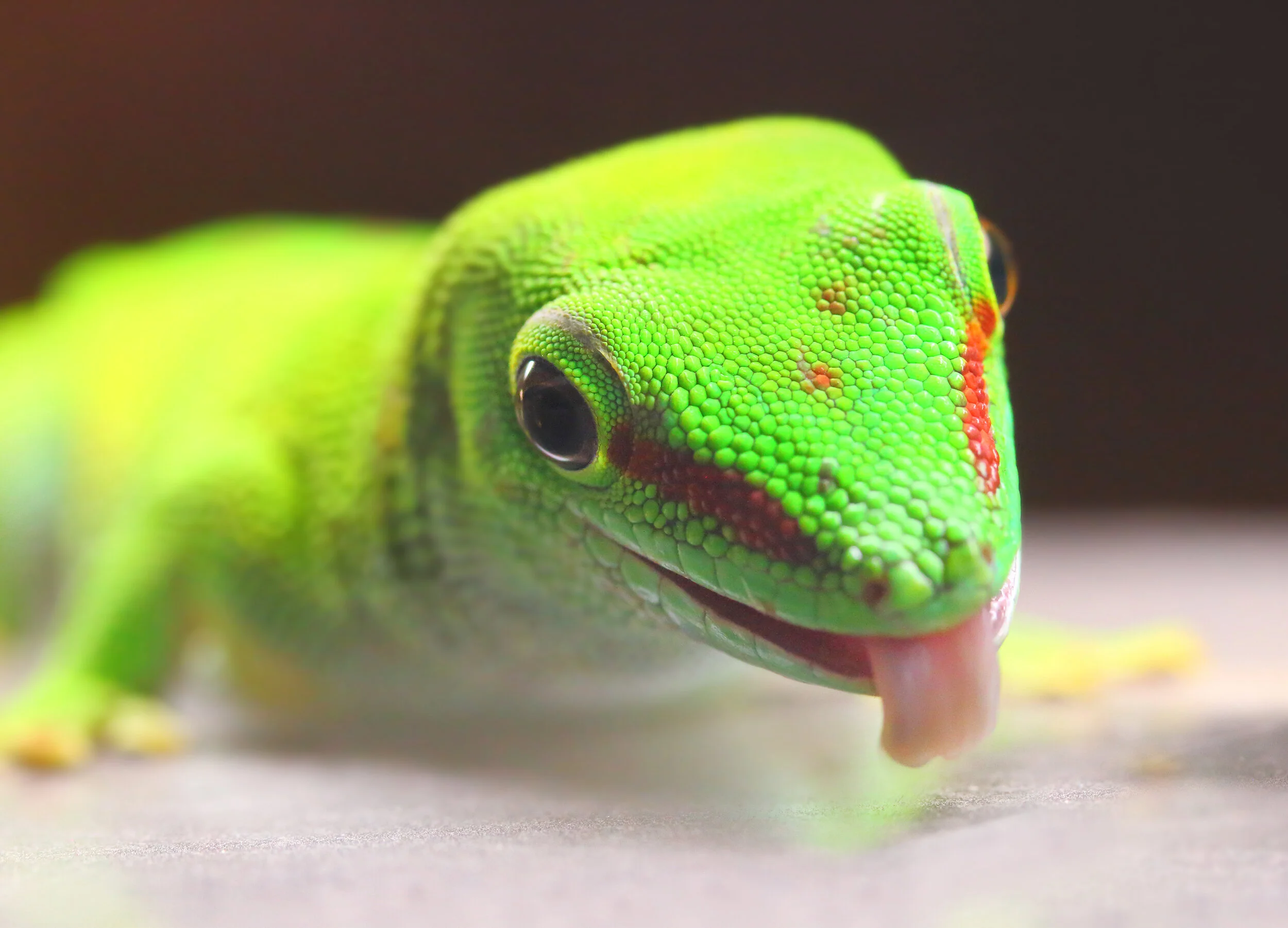
Day Gecko.jpg
 

You may have been attracted to geckos due to their cute appearance and cool demeanor but are unsure about the right species to keep. This is understandable considering that there are over 1,500 species of geckos in the wild though only a few species are available in captivity. Most people make the mistake of buying the species they find at a pet store instead of carefully researching about different species and determining the type the best suits their lifestyle. It is essential to choose a species that fits your home environment and time commitment for pet care.

Free Time to Devote to The Lizard

When selecting a gecko, you need to pick a species that you will be able to provide with adequate care. Most species have relatively similar basic requirements such as sufficient humidity and temperature, good lighting, and a quality diet with sufficient nutrients. However, some species are more delicate than others. For example, a leopard gecko is easier to look after than a blue-tailed day gecko. Indeed, some species are very delicate and may die even under the care of experienced herpetologists. Typically, tropical species require high humidity, meaning that you have to mist their terrarium more frequently than desert species. Similarly, the Phelsuma day and the electric blue geckos are difficult to keep while the gold dust and the giant day gecko are easier to keep.

Budget

While money may not be the first thought in your mind when you decide to buy a gecko, it is an important factor because you have set a budget for the pet. Most gecko species are inexpensive, but there are some exotic species with rare colors that command premium prices. Most common species will go for between $30 and $100. A wild type leopard gecko will go for around $35, a common day gecko goes for about $75 while an eyelash crestie will set you back $60. Some color morphs of the eyelash crestie will cost hundreds of dollars, especially if are a new subtype that is hard to find. Meanwhile, exotic varieties of the common day gecko can go for $150 or more. Typically, adult geckos cost more than juveniles, especially if you are buying an unrelated, sexed pair.

Apart from the buying price, you also need to budget for the structures that will house the gecko, including the terrarium, UV bulbs, and heating bulbs, all of which have the potential to cost more than the reptile. Some species may also increase your electricity bills substantially due to the need to lights on for 12 hours and heating during the cold months. Most of the other requirements, such as stick sand for burrowing and hide boxes are easy to find and won't cost much.

When budgeting for the structure, always remember that larger geckos such as the tokay and giant day gecko require large terrariums with powerful bulbs that consume more power. Leopard and crested geckos do not require UVB lighting, unlike most other species. They are nocturnal, so they won't need synthetic sunlight. In contrast, day geckos and electric blue geckos require more lighting and heating because they are diurnal.

 If you want to be a breeder, you need to budget for the extra costs of looking after the eggs and the hatchlings. Geckos can live in groups, but you can only keep one male in a tank to prevent fighting. This implies that you will have to add more structures as the hatchlings mature, leading to more costs.

If You've Had Pet Geckos Before

If you have not kept geckos in the past, you need a species that is easy to handle, such as a leopard gecko. Most experts recommend leopard, otherwise known as Leos, for beginners. Leopard geckos are especially suited to beginners because they are terrestrial. Leos are a hardy desert species that require low humidity and can live in simple structures. Crested geckos are a good alternative if you cannot find a Leo.

African-fat-tailed geckos are another option for inexperienced keepers because they have similar characteristics to Leos. They are also very docile and friendly. However, their popularity with herpetologists makes them hard to find and rather expensive. Other hardy species include the tokay and the flying gecko.

However, if you are an experienced herpetologist, you can try tricky species such as the Phelsuma day geckos, including P. Gimbui or P. Cepediana. Another delicate species is the electric blue gecko L. Williamsii, which is hard to breed because of its tiny babies. Similarly, the tokay gecko is very aggressive and can bite if you do not handle it appropriately. The more difficult species require the terrarium to be set up correctly with the right temperature and humidity.

Availability

When buying geckos, you may have to choose between wild and captive reptiles. Wild-caught geckos are cheaper than captive-born geckos but come with numerous challenges that make expert keepers avoid them. They may have pests, diseases, and injuries that may increase care costs in the long-term. Such geckos may not be healthy and might be stressed by mishandling and transportation in unacceptable conditions. Further, trading in wild reptiles devastates their population in the natural habitat and is illegal in many countries. This could put you in trouble with the authorities.

If you really want an ordinary gecko such as a leo or a crestie, you shouldn't have problems finding one because they are plentiful in the pet market. But if you insist on a rare species or morph, you might have trouble finding one in your area. Gecko morphs are lizards that are selectively bred to create unique colors and skin patterns that don't exist in the wild. Some of the popular leopard morphs include the super snow, which has black and white stripes, the carrot-tail gecko with a striking orange tail, and the red stripe type with two red stripes running the full length of their body.

For best results, always buy your geckos from hobbyists and breeders instead of pet shops because such experts provide specialized care to the reptiles. Exotic geckos are hard to find, but one way of finding a rare species is going to a reptile show.

Dietary and Maintenance Requirements
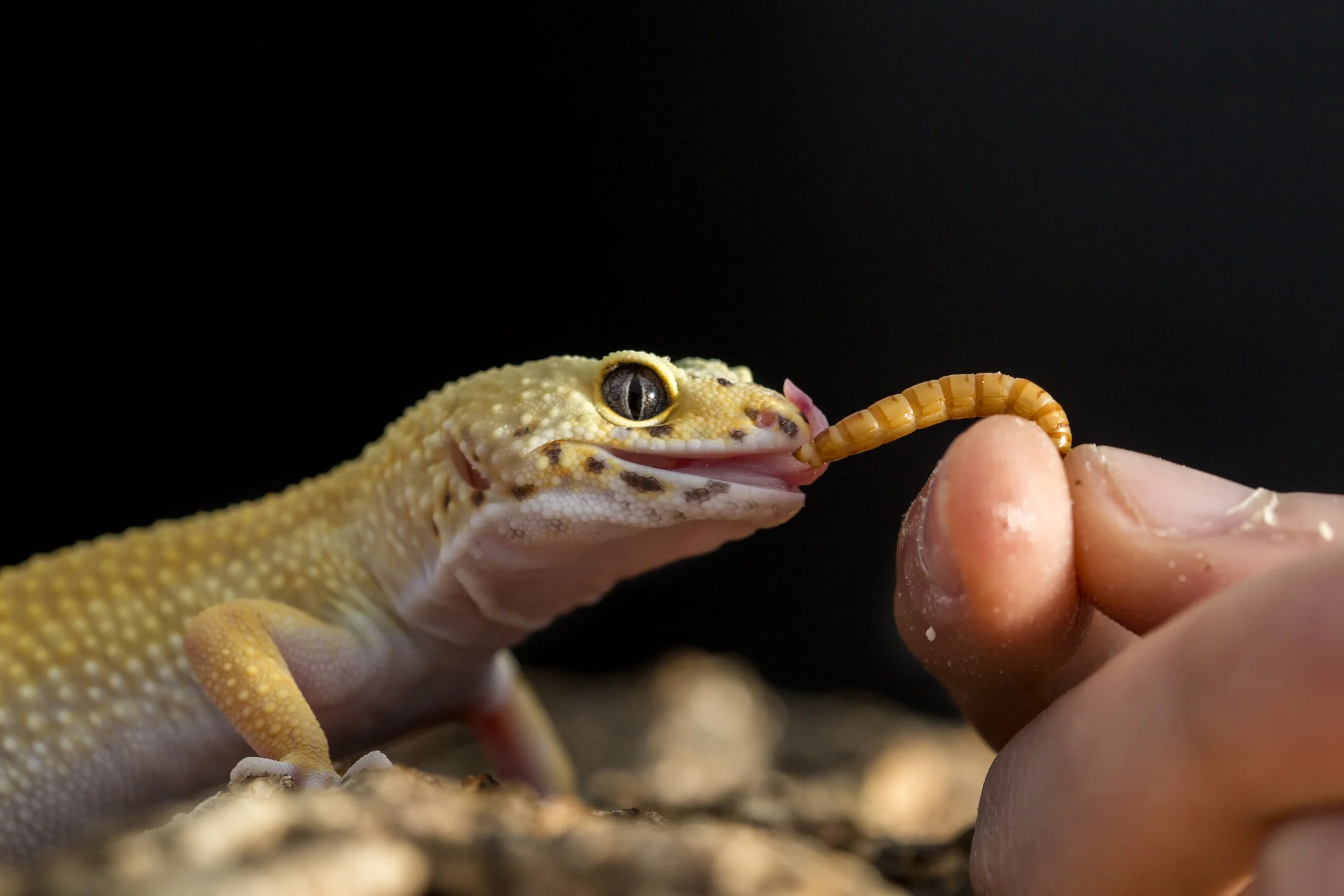
 
Gecko Eating.jpg
 

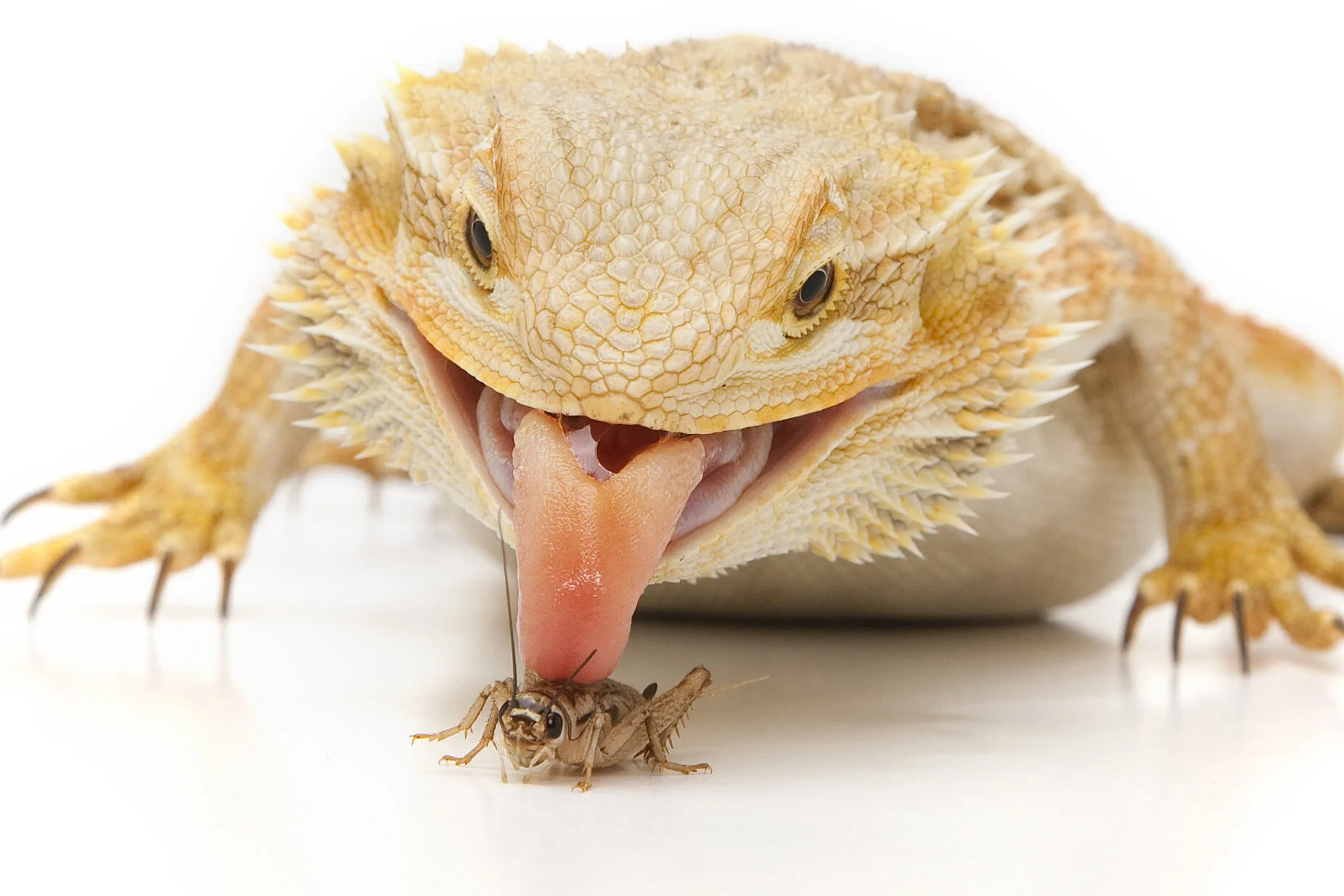
Some gecko species have more demanding nutritional requirements than others. Popular species such as leopard geckos are carnivorous reptiles that require a regular supply of live insects such as mealworms, crickets, and roaches. You have to ensure the crickets are alive because most species will not touch insects that are not moving. Providing live crickets and roaches gives the geckos an opportunity to utilize their natural hunting instinct.

Some species are omnivorous and will lick flower nectar and catch insects in the terrarium. However, even such species will need a regular supply of roaches or crickets if they are to maintain a healthy weight. If you don't have a supply of live crickets or roaches, you can try crested geckos because they do need live food and can eat commercial feed and fruits. If you are averse to keeping huge numbers of roaches and live crickets in your home, the crested gecko may be the ideal species.  

Geckos are ectotherms whose body temperature depends on the environment. It is important to provide them with the appropriate heat supply to ensure robust metabolism and immune function. Each gecko should have a 10 to 20 gallons tank heated with a heat bulb to maintain a temperature of 90°F on the warm side and 70°F on the cool side. Even though most geckos are nocturnal, they need exposure to a little UV light to produce vitamin D in their skin. Common species such as the leopard gecko require adequate humidity of around 50% to help them remain hydrated and shed skin. Provide more sensitive species such as the blue-tailed day gecko with humidity by misting the tank or soaking them in a shallow bowl containing warm water.

If You Have Children

Like most reptiles, geckos are guarded animals that require gentle handling. They are not animals that children can cuddle and play around with, like cats and dogs. Therefore, if you have children, you might want to get a gecko that tolerates cuddling. Leopard and crested geckos are suited to pet owners with children because they allow gentle handling and will lie patiently on the palm of your hand as long as you do not offend or scare them. They are docile reptiles that rarely bite, even with aggressive play.

However, if you don't have children, you can try more reserved species that you can leave in the terraria and observe from a distance. Day geckos such as the electric blue L. Williamsii are suited to such owners as they do not like being handled or disturbed while resting. Their scales are very fragile and are easily injured by rough handling. They also become agitated very quickly, and any attempt to catch them provokes a jumping, climbing, and running frenzy.  Such delicate creatures may not be suited to children because they will drop their tails in defense when mishandled. They can learn to trust people, but that takes a lot of training and patience.

Verge Pets provides veterinarian-approved automatic reptile feeders so that pet lovers can have peace of mind while they are away. Our feeders work with various types of reptiles to ensure safety and effective feeding. Contact us to discuss your pet feeding needs.
Nick Bahr
The Ins and Outs of Cricket Keeping
 
Bearded Dragon.jpg
 

Reptile owners spend a good part of their life looking for live feeders to keep their pets full and healthy. Bugs like crickets are the natural staple food for reptiles, providing a wealth of essential nutrients like protein, vitamins, and mineral salts.

If you rear reptiles, you have probably experienced shortages in live feeders during the cold season. Stores seem always to have deficits. As winter approaches, it's not uncommon to find vendors applying quantity limits on orders.

Does the winter hunt for live feeders make you anxious? This post explains some considerations for choosing cricket suppliers and giving your reptiles the best diet.

Size and Amount of Crickets

Your reptile's feeding habits will help you determine the size and quantity of feeder crickets to order. The insects come in many sizes, so you should provide what your animal can handle comfortably in the mouth. You'll never go wrong if you choose crickets smaller in width than the size of your reptile's mouth.

So, how many feeder crickets should you order? To answer this question, you should know the number of feeder crickets your reptile consumes per day. It depends on the species, age, and size.

Typically, juveniles eat a lot, and you may need to feed them every day. Some adult reptiles, on the other hand, can survive for a week on one meal.

Get your animal's food requirements right and buy just enough. You can purchase feeder insects in bulk and preserve them in a cricket keeper. Here is how to use a cricket keeper.

Cricket Type

 
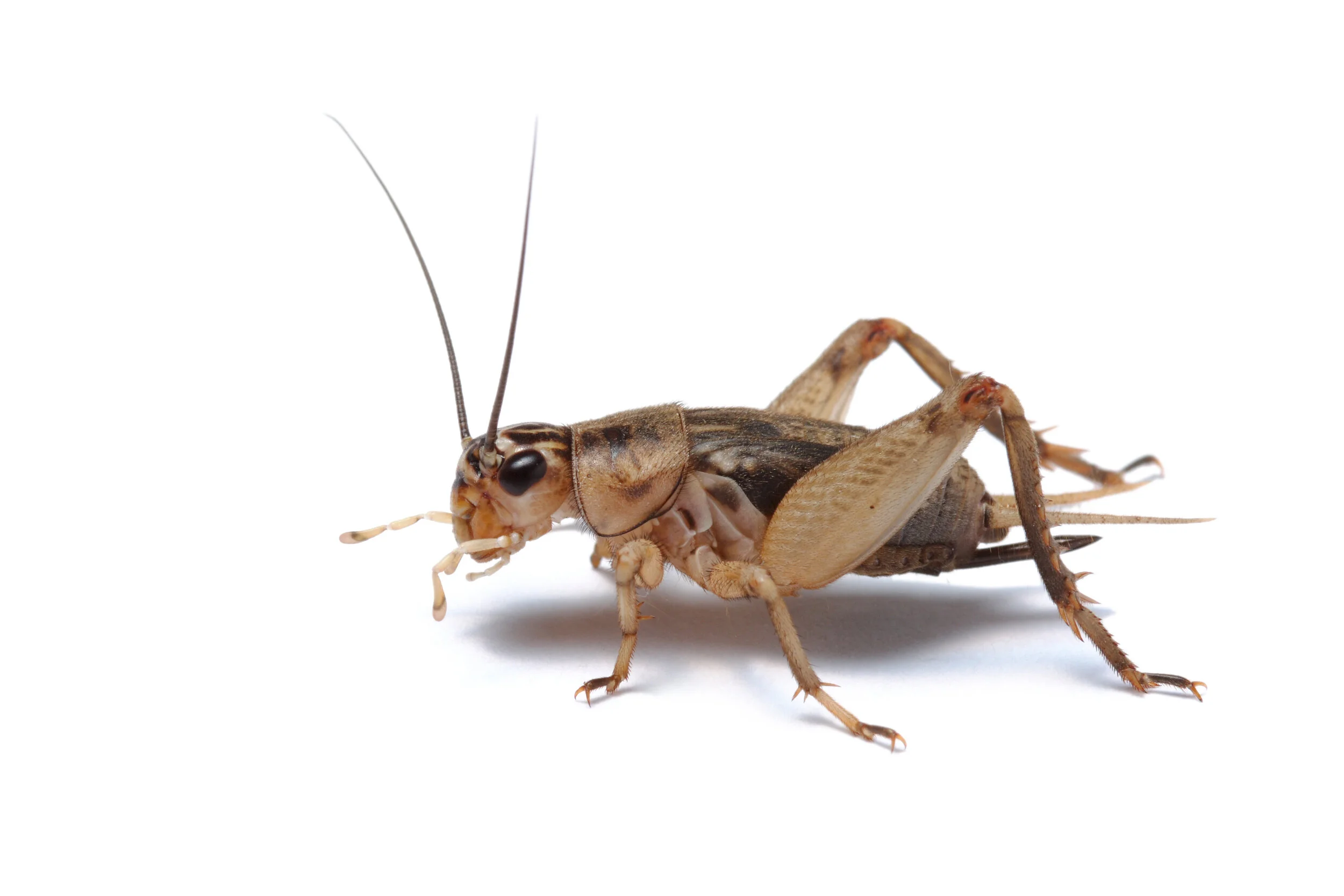
Cricket.jpg
 

If you ask your local cricket breeder, you will be surprised at the number of cricket species available. Here are three common breeds.

Black Field Cricket

This crickets are visibly larger than other species, making them ideal for feeding bigger lizards. They can be annoying with their chirps. And since they are aggressive, they might fight your pet.

Brown Crickets

There are different variations of brown crickets, including brown house crickets and Jamaican field crickets. They are quieter than black crickets. Due to their relatively low cost, you can consider them if you have several juvenile lizards to feed.

Banded Crickets

Breeders like banded crickets because they give high yields and are less aggressive. However, they don't do well in cold weather. These small insects can jump several inches up, increasing their likelihood to escape.

Shipping Method

Live feeder insect sellers provide different shipping methods for customers to choose what works best for them. When making a choice, think about the transit time and price.

If it's during the cold winter or hot summer months, try to find a one-day delivery service, like FedEx Priority Overnight. Your Crickets might take up to seven days and probably arrive dead if you use slower options like USPS First Class Mail.

Remember that faster shipping methods are usually more expensive than slower alternatives. It's ultimately up to you to choose an option that fulfills your order conveniently.

Shipment Time

One of the most dreadful nightmares for reptile owners is feeder insects arriving dead. Crickets can die for various reasons, including:

  • Intemperate temperature

  • Poor sanitary conditions

  • Inadequate ventilation

  • Congestion

These conditions can occur when transporting crickets over vast distances or when shipments delay due to bad weather. Consider ordering your crickets from the nearest vendor to reduce transit times.

Curbside Delivery

The beauty of buying live insects from a local vendor is that you can arrange for curbside delivery at any time. You also take advantage of small quantities and receive your package quicker and affordably.

Live guarantee

Feeder cricket live guarantee refers to a vendor's assurance that the insects you are buying will survive for a given period after delivery. It can be from 24 hours to as high as 72 hours, depending on the season.

Live guarantees come with conditions. The vendor can decline to ship to regions where temperatures are below a given threshold or ship without a warranty. An alternative would be holding the shipment until a warmer day.

When there's a live guarantee, the seller can provide a deadline to report any dead on arrival (DOA) cases. Be sure to understand winter-specific live guarantee conditions.

Colony Health

Nutritionists say we are what we eat, and this is true even for animals. If you care about your pet's health, you should be careful about what you feed it. Does your cricket breeder or supplier disclose their colony rearing practices?

If a cricket feeds on crops containing pesticides or harmful waste, the toxins will remain in the insect's body. Your reptile will absorb the same if it eats the cricket. Please buy feeder crickets from a breeder who feeds the insects on a clean organic diet and filtered water.

Feeder Cricket Gut-Loading

Do you want your insects gut-loaded or not? If you're new to this, gut-loading involves feeding nutritious food to an animal's prey, hoping to pass the nutritional value to the animal that devours it. It's common for feeder insect vendors and reptile owners to gut-load feeder insects to make them a more valuable food source for pets.

Gut-loading is both a science and art meant to ensure that your animals get the maximum benefit from their live meals. You must consider the food types your pet usually eats and provide them in varieties. Reptiles and their preys typically eat similar things, but you can enhance your pet's diets with a few tweaks.

Why Gut-Load At Home?

While live feeder insects may look healthy at the store, you can't be sure what the vendor has been giving them. They might not offer your reptiles the best nutritional value unless you boost their diet. Besides improving the bugs as a food source, feeding your crickets well keeps them alive longer.

Cricket Gut-Loading

Crickets have quick digestive turnaround times, averaging below two hours across common species. For this reason, you should feed live crickets with hand-picked foods about an hour before offering them to your reptiles.

Leaving your crickets food for about 24 hours can still gut-load them, but it would be hard to tell which insects ate enough. If you have live crickets in bulk, isolate the ones you need a few hours before feeding your reptile and gut-load them accordingly. Don't forget to hydrate them.

Cricket Vendor Reviews

With so many live feeder insect sellers, determining the right place to find crickets for your reptiles can be confusing. Overall, you want a vendor who sells clean, healthy insects in the correct sizes and quantity. Besides providing a steady supply throughout the year, the seller should offer a reasonable live guarantee and realistic terms for returning orders.

That said, a surefire way to find a reliable supplier is through referrals. Word of mouth from other reptile owners is the best source of information. If you know someone who rears similar pets like yours, ask them to recommend a cricket supplier who never disappoints.

Another way to single out reliable feeder insect vendors is by checking online reviews. Read what customers are saying about vendors on review sites like Yelp. You can also look for seller BBB ratings on the Better Business Bureau website.

The red flags of unreliable live feeder sellers include late delivery, frequent DOA cases, delivering wrong-size insects, denying DOA claims, and so forth. Perform due diligence before engaging a vendor. You can ask them for a list of their customers and get their testimonies.

Where to Buy Feeder Crickets

Many merchants sell feeder crickets for reptiles in-store and online. If you haven't found a favorite vendor yet, try the following suppliers:

Fluker Cricket Farm

Order brown crickets from Fluker Cricket Farm in batches of 100 to 5,000 insects. Medium-sized and large mealworms come in quantities between 250 and 5,000.

Superworms are available in 100 to 1,000 packages. The live feeder supplier also sells hissing cockroaches and flightless fruit flies, among other insects.

Timberline

Get live crickets, hornworms, superworms, mealworms, calciworms, and waxworms from Timberline. You can also buy a lunchbox and a cactus for your reptile from the same vendor.

Other accessories from Timberline include Easy Water, cricket measuring device, cricket dusters, cricket power food, and the new cricket display case.

Josh's Frogs

You'll be spoilt for choice if you shop for live feeders for your reptile at Josh's Frogs. The vendor supplies crickets, beetles, black soldier fly larvae, butter worms, butterworms, hornworms, houseflies, superworms, mealworms, and fruit flies.

Josh's Frogs also stocks isopods, millipedes, silkworms, bottle soldier fly spikes, springtails, waxworms, spiders, scorpions, roaches, and praying mantis.

More live feeder insect suppliers include Bassett's Cricket RanchBuyFeederCricketsCrickets and WormsCritter DepotFeeder SourceGhann CricketsJungle Bob's Live CricketsPremium CricketsRainbow mealwormsRodentproSongbird Garden, and Tophat Cricket Farm.

Tips to Keep Your Crickets Alive

  • Transfer your crickets from the shipping box to a cricket keeper.

  • The enclosure should be slippery enough on the inside to prevent the crickets from crawling out

  • Maintain the temperature for the insects between 70°-75° F

  • The cricket keeper should be dry and away from direct sunlight

  • Place cricket food and water in shallow containers

  • Clear any remnants after every two days at most

Watch this video by Fluker Farm to learn more about keeping your cricket alive. Timberline's tip sheet has more details about proper cricket storage, feeding, and hygiene for prolonged life.

If you have other ideas for sources or comments please let us know. https://www.vergepets.com/contact

Nick BahrComment
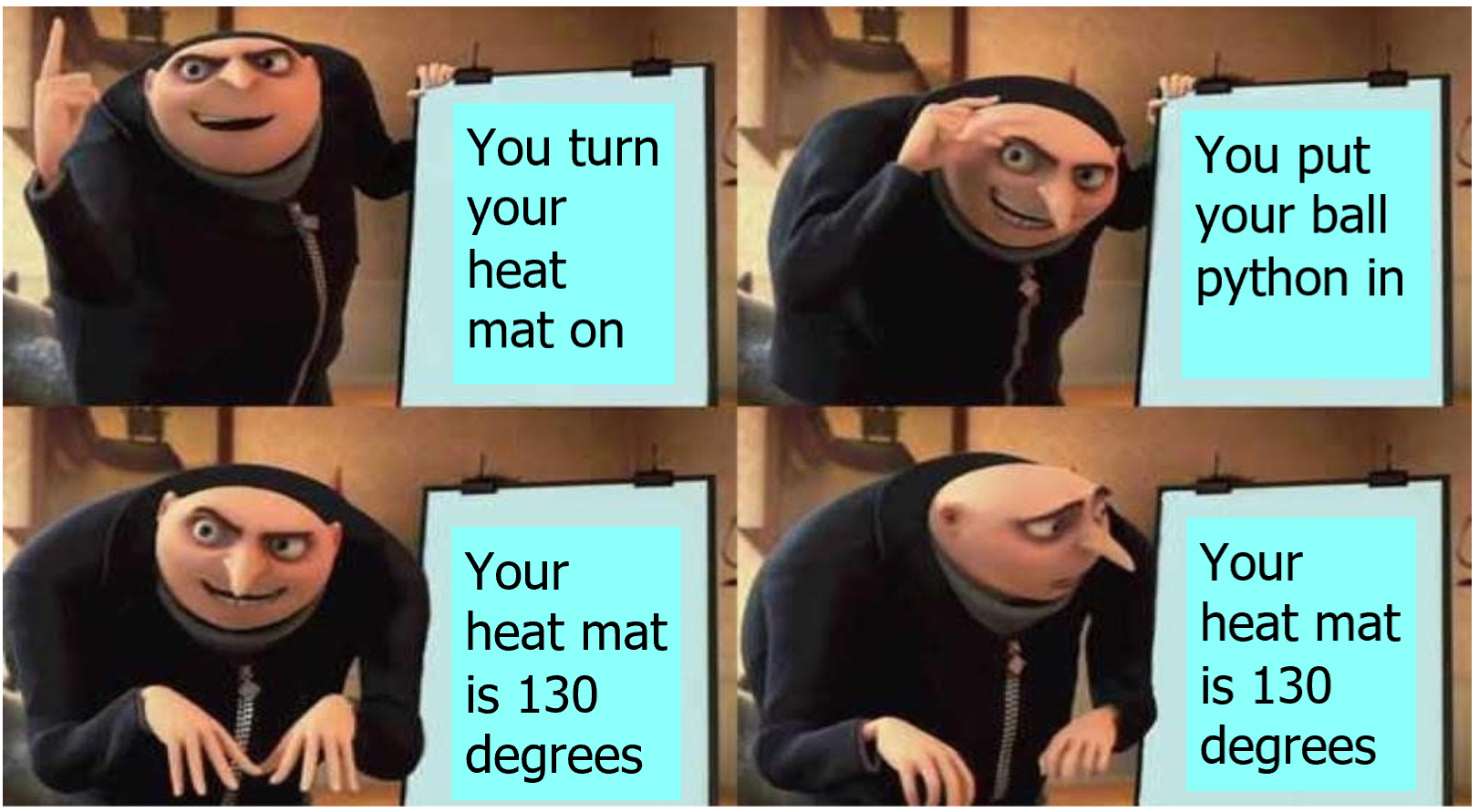
Danger: Don’t forget a Thermostat
image (2).png

By: Ellen Sever

Hey everyone! Well, it’s been a while since I wrote one of these bad boys but I’m back at it and excited to bring you more tidbits from the reptile world! This week’s blog is geared more towards the informational side of things as most of our future blogs will be. But do not fret, maybe one day we’ll have another creature spotlight. Let’s dive in!

So picture this, you’re about to get a ball python. You think you’ve got everything you need. You even bought a ball python kit which includes all of the goodies needed to be a great python owner. Right? Well, maybe not. You see, one important feature that many of these kits forget is a thermostat. You may be thinking, what do you mean, it says there’s a thermometer right here! (It can be a bit confusing) Don’t worry, I’m here to enlighten you. Though they sound similar, and both are involved in temperature, the thermostat serves a much more important purpose. While a thermometer tells you what the temperature inside of your tank is, a thermostat will actually help regulate that temperature. There are a couple of different ways this is done. An on/off thermostat will use its probe to check the temperature at regular intervals. If the temps are too high, it will switch the heat source off. Once the temperature is down to a safe level, it turns the heat back on. A pulse thermostat constantly checks the temperature at the probe and regulates the number of electric pulses sent to the heat source depending on the temperature. If the tank is too hot, it will send fewer electric impulses to the heat source and increase the impulses when it is too cold. And finally, dimming thermostats are unique in that they can control light-emitting heat sources like heat bulbs. They do so by administering a “sliding” amount of electricity to the heat source which can allow the heat bulb to dim when it is too hot. Pretty neato, huh?

So why is it so important to have a thermostat? Well, just because heating pads and lights are made for your reptiles, does not always mean that they will remain in a temperature gradient that is healthy or even safe for them. In fact, there is a condition called thermal burns which are the direct result of a reptile basking in an area that was too hot for them. Typically your reptile knows to move if it is too hot, however, in some cases, they may not do so. One reason could be that your reptile is fighting an infection of some kind, in which case they need to keep their temperature high. This could lead to them ignoring the extreme heat. However, that’s not always the case and sometimes they will ignore the heat without anything going on at all! Thermal burns are extremely harmful to your pet and can even cause death in serious cases, so yeah, yikes. However, don’t fear, that’s what the thermostat is for! As long as you’ve got one of those little guys you can ensure that the temps in your tank stay where they’re supposed to. As far as price goes, the dimming thermostats are going to be the most expensive option while the on/off thermostats are the cheapest. The one we personally use was only $20.00 but you can find some for as cheap as $12! 

 So yeah, that’s the gist! It’s a pretty important piece that tends to be missing from the kits, but as long as you do the research, you’re sure to find sources telling you all about them. Also, I’ve linked a highly rated thermostat below. Not ours, and not a sponsor, but a great place to start if you are looking for an example! Ok bye ‘til next week :)

https://www.amazon.com/Century-Thermostat-Controller-Germination-40-108%C3%82%C2%B0F/dp/B01I15S6OM/ref=sr_1_1?dchild=1&keywords=reptile+thermostat&qid=1590623072&sr=8-1