
The Ins and Outs of Cricket Keeping
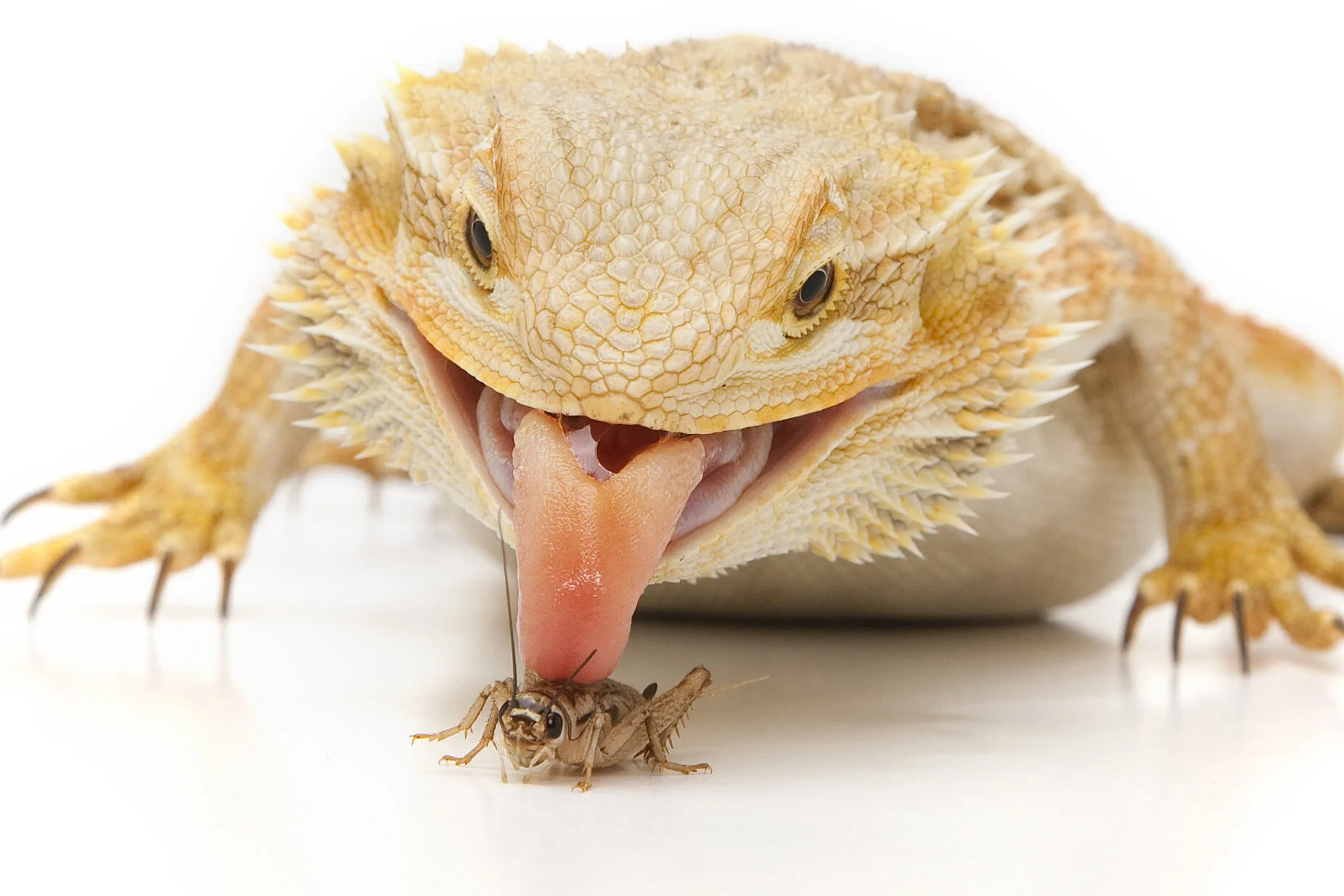
Reptile owners spend a good part of their life looking for live feeders to keep their pets full and healthy. Bugs like crickets are the natural staple food for reptiles, providing a wealth of essential nutrients like protein, vitamins, and mineral salts.
If you rear reptiles, you have probably experienced shortages in live feeders during the cold season. Stores seem always to have deficits. As winter approaches, it's not uncommon to find vendors applying quantity limits on orders.
Does the winter hunt for live feeders make you anxious? This post explains some considerations for choosing cricket suppliers and giving your reptiles the best diet.
Size and Amount of Crickets
Your reptile's feeding habits will help you determine the size and quantity of feeder crickets to order. The insects come in many sizes, so you should provide what your animal can handle comfortably in the mouth. You'll never go wrong if you choose crickets smaller in width than the size of your reptile's mouth.
So, how many feeder crickets should you order? To answer this question, you should know the number of feeder crickets your reptile consumes per day. It depends on the species, age, and size.
Typically, juveniles eat a lot, and you may need to feed them every day. Some adult reptiles, on the other hand, can survive for a week on one meal.
Get your animal's food requirements right and buy just enough. You can purchase feeder insects in bulk and preserve them in a cricket keeper. Here is how to use a cricket keeper.
Cricket Type
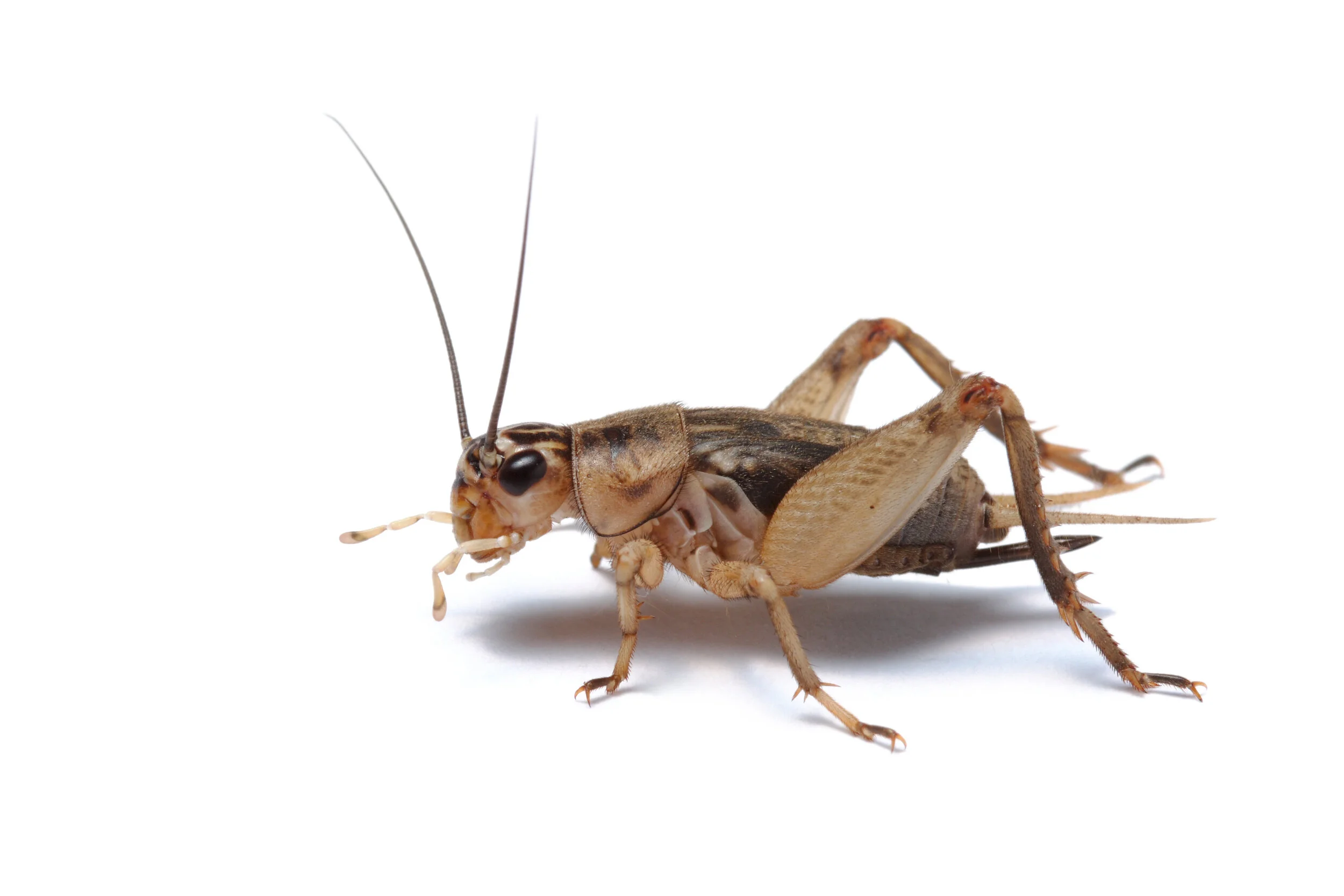
If you ask your local cricket breeder, you will be surprised at the number of cricket species available. Here are three common breeds.
Black Field Cricket
This crickets are visibly larger than other species, making them ideal for feeding bigger lizards. They can be annoying with their chirps. And since they are aggressive, they might fight your pet.
Brown Crickets
There are different variations of brown crickets, including brown house crickets and Jamaican field crickets. They are quieter than black crickets. Due to their relatively low cost, you can consider them if you have several juvenile lizards to feed.
Banded Crickets
Breeders like banded crickets because they give high yields and are less aggressive. However, they don't do well in cold weather. These small insects can jump several inches up, increasing their likelihood to escape.
Shipping Method
Live feeder insect sellers provide different shipping methods for customers to choose what works best for them. When making a choice, think about the transit time and price.
If it's during the cold winter or hot summer months, try to find a one-day delivery service, like FedEx Priority Overnight. Your Crickets might take up to seven days and probably arrive dead if you use slower options like USPS First Class Mail.
Remember that faster shipping methods are usually more expensive than slower alternatives. It's ultimately up to you to choose an option that fulfills your order conveniently.
Shipment Time
One of the most dreadful nightmares for reptile owners is feeder insects arriving dead. Crickets can die for various reasons, including:
Intemperate temperature
Poor sanitary conditions
Inadequate ventilation
Congestion
These conditions can occur when transporting crickets over vast distances or when shipments delay due to bad weather. Consider ordering your crickets from the nearest vendor to reduce transit times.
Curbside Delivery
The beauty of buying live insects from a local vendor is that you can arrange for curbside delivery at any time. You also take advantage of small quantities and receive your package quicker and affordably.
Live guarantee
Feeder cricket live guarantee refers to a vendor's assurance that the insects you are buying will survive for a given period after delivery. It can be from 24 hours to as high as 72 hours, depending on the season.
Live guarantees come with conditions. The vendor can decline to ship to regions where temperatures are below a given threshold or ship without a warranty. An alternative would be holding the shipment until a warmer day.
When there's a live guarantee, the seller can provide a deadline to report any dead on arrival (DOA) cases. Be sure to understand winter-specific live guarantee conditions.
Colony Health
Nutritionists say we are what we eat, and this is true even for animals. If you care about your pet's health, you should be careful about what you feed it. Does your cricket breeder or supplier disclose their colony rearing practices?
If a cricket feeds on crops containing pesticides or harmful waste, the toxins will remain in the insect's body. Your reptile will absorb the same if it eats the cricket. Please buy feeder crickets from a breeder who feeds the insects on a clean organic diet and filtered water.
Feeder Cricket Gut-Loading
Do you want your insects gut-loaded or not? If you're new to this, gut-loading involves feeding nutritious food to an animal's prey, hoping to pass the nutritional value to the animal that devours it. It's common for feeder insect vendors and reptile owners to gut-load feeder insects to make them a more valuable food source for pets.
Gut-loading is both a science and art meant to ensure that your animals get the maximum benefit from their live meals. You must consider the food types your pet usually eats and provide them in varieties. Reptiles and their preys typically eat similar things, but you can enhance your pet's diets with a few tweaks.
Why Gut-Load At Home?
While live feeder insects may look healthy at the store, you can't be sure what the vendor has been giving them. They might not offer your reptiles the best nutritional value unless you boost their diet. Besides improving the bugs as a food source, feeding your crickets well keeps them alive longer.
Cricket Gut-Loading
Crickets have quick digestive turnaround times, averaging below two hours across common species. For this reason, you should feed live crickets with hand-picked foods about an hour before offering them to your reptiles.
Leaving your crickets food for about 24 hours can still gut-load them, but it would be hard to tell which insects ate enough. If you have live crickets in bulk, isolate the ones you need a few hours before feeding your reptile and gut-load them accordingly. Don't forget to hydrate them.
Cricket Vendor Reviews
With so many live feeder insect sellers, determining the right place to find crickets for your reptiles can be confusing. Overall, you want a vendor who sells clean, healthy insects in the correct sizes and quantity. Besides providing a steady supply throughout the year, the seller should offer a reasonable live guarantee and realistic terms for returning orders.
That said, a surefire way to find a reliable supplier is through referrals. Word of mouth from other reptile owners is the best source of information. If you know someone who rears similar pets like yours, ask them to recommend a cricket supplier who never disappoints.
Another way to single out reliable feeder insect vendors is by checking online reviews. Read what customers are saying about vendors on review sites like Yelp. You can also look for seller BBB ratings on the Better Business Bureau website.
The red flags of unreliable live feeder sellers include late delivery, frequent DOA cases, delivering wrong-size insects, denying DOA claims, and so forth. Perform due diligence before engaging a vendor. You can ask them for a list of their customers and get their testimonies.
Where to Buy Feeder Crickets
Many merchants sell feeder crickets for reptiles in-store and online. If you haven't found a favorite vendor yet, try the following suppliers:
Fluker Cricket Farm
Order brown crickets from Fluker Cricket Farm in batches of 100 to 5,000 insects. Medium-sized and large mealworms come in quantities between 250 and 5,000.
Superworms are available in 100 to 1,000 packages. The live feeder supplier also sells hissing cockroaches and flightless fruit flies, among other insects.
Timberline
Get live crickets, hornworms, superworms, mealworms, calciworms, and waxworms from Timberline. You can also buy a lunchbox and a cactus for your reptile from the same vendor.
Other accessories from Timberline include Easy Water, cricket measuring device, cricket dusters, cricket power food, and the new cricket display case.
Josh's Frogs
You'll be spoilt for choice if you shop for live feeders for your reptile at Josh's Frogs. The vendor supplies crickets, beetles, black soldier fly larvae, butter worms, butterworms, hornworms, houseflies, superworms, mealworms, and fruit flies.
Josh's Frogs also stocks isopods, millipedes, silkworms, bottle soldier fly spikes, springtails, waxworms, spiders, scorpions, roaches, and praying mantis.
More live feeder insect suppliers include Bassett's Cricket Ranch, BuyFeederCrickets, Crickets and Worms, Critter Depot, Feeder Source, Ghann Crickets, Jungle Bob's Live Crickets, Premium Crickets, Rainbow mealworms, Rodentpro, Songbird Garden, and Tophat Cricket Farm.
Tips to Keep Your Crickets Alive
Transfer your crickets from the shipping box to a cricket keeper.
The enclosure should be slippery enough on the inside to prevent the crickets from crawling out
Maintain the temperature for the insects between 70°-75° F
The cricket keeper should be dry and away from direct sunlight
Place cricket food and water in shallow containers
Clear any remnants after every two days at most
Watch this video by Fluker Farm to learn more about keeping your cricket alive. Timberline's tip sheet has more details about proper cricket storage, feeding, and hygiene for prolonged life.
If you have other ideas for sources or comments please let us know. https://www.vergepets.com/contact